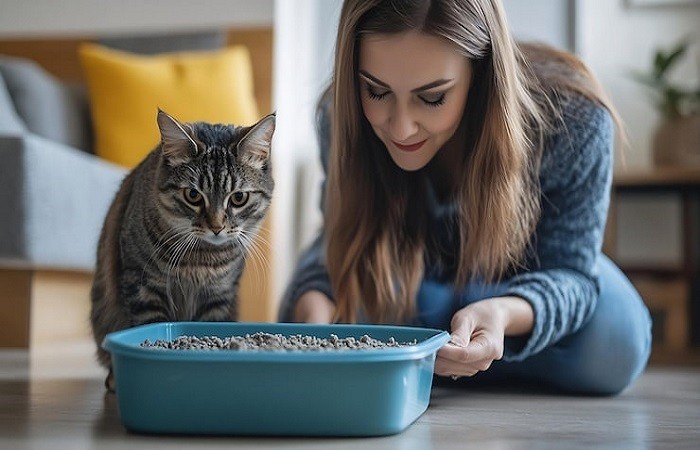
There is a pattern observed in cat-owning families annually, and very few people make connections about what exactly is behind it. In November, windows begin closing and the heating starts working, while in a couple of weeks after, cats start sneezing and have watery eyes. Sometimes, cat owners catch cold themselves as well. People think that it’s because of the season.
And sometimes, it is. However, in many cases, the answer is much simpler: the house gets sealed from all sides and doesn’t let anything out. All of the particles that existed there in the air and got diluted – cat litter dust, fragrances, dander, ammonia – cannot escape now. Whatever fresh air could go out of the windows before is replaced with the same stale air with all the particles trapped inside until the spring comes.
This is why winter is usually the time when cat owners decide to research how to pick the best kitty litter for allergies – the effects of a previously tolerable litter suddenly become annoying. The litter box product stays the same – it’s winter that makes it a problem.
What heating season does to litter box air
There are three things that affect the situation in winter:
Ventilation stops altogether. In summertime, airborne particles of the litter box get diluted and leave the building. With the heating working, they don’t just get trapped inside but are also actively redistributed through the whole building. Dust kicked up by cats in the bathroom is circulated to every room with vents.
Humidity reduces. Dry winter air dries out the nostrils and airways of humans and cats. The particle load that was previously handled by the moist airways now causes inflammation in winter.
Exposure time increases. Cats are always indoors, however, in winter both the cat and the owner spend more time in the enclosed space. This means more exposure to the irritant.
None of the mentioned points create the new issue – they amplify the old one. Clay litter always created the irritant, but winter prevents it from being diluted.
Two main agents that create an issue
Clay litter’s dust is the biggest offender when it comes to causing respiratory issues. While pouring, digging, and scooping this litter, one releases fine dust that gets up in the air and settles in the nose and lungs. With ventilation, it is dispersed. With it stopped, dust gets lifted up once again due to the forced heating.
Synthetic fragrances are the second. Scented litters release volatile compounds that give their scent, and this happens constantly. As winter prevents air changes and causes accumulation of these compounds, scent chemicals become the well-known causes of sinus irritation of humans and respiratory/dermatologic reactions in cats. The strong “fresh scent” that you can smell in your bathroom in the beginning of winter comes from these particles accumulating in there.
Cats are affected even more significantly than humans. They stay closer to the floor where the particles settle, sniff the dust right from the box, and ingest it when grooming.
How to change litter box product for allergy-friendly indoor environment
Here is what needs to be paid attention to.
No dust in the litter box product, and independently certified 0% (rather than claimed).
No fragrance. Fragrance-free litter is the one with odor control ensured by clumping properties only.
Natural base materials of the formula.
Strong clumps to ensure no off-gassing of the ammonia that is another airborne irritant, easily forgotten about when changing litter.
Why olive pit litter is good to resolve the closed-house dilemma
Paco & Pepper’s product is made of crushed olive pits – solid residue left after olives are pressed for oil. And this material just resolves the issue almost point for point. This formula is independently certified for 0% dust. It is totally fragrance-free, odor control provided thanks to the structure of the pit, absorbing the moisture fast and locking ammonia inside the clumps. Granules are solid, therefore there is no tracking through the house on the paws, and the formula includes natural olive oil to combat winter-induced paw pads drying.
Kristina Drobach – founder of the brand – created this litter after her cat developed asthma from the years of using dusty litters – therefore, respiratory sensitive cats are the main point of consideration. In its first year on sale, this brand gained $1.1 million in revenue, reached almost $1.8 million before showing the project on Shark Tank Season 17 and getting an offer from Kevin O’Leary that included royalty and equity, which she declined, yet still managed to expand through Target, Petco, and PetSmart. Over 9,300 verified reviews have a 4.7 rating, and the most common thing mentioned in them is the absence of dust in this product. For a house getting sealed for the next four months, this parameter is crucial.
Also worth doing in winter
Gradually switch the litters. Start mixing roughly 20% of the new litter into the old one and increasing this ratio gradually for two weeks so the cat would adapt to the change before the winter fully sets in.
Run a HEPA air purifier in the room with the litter box. It is the best substitute for ventilation you’ve just lost.
Scoop the box at night. Nighttime is when your house is the most sealed and air movement stopped – starting this process with a cleaned litter box will change morning air quality in small houses noticeably.
Crack the windows daily for ten minutes when possible. Old advice, still works like a charm when looking for the free air exchange opportunity.
If the sneezing pattern continues after switching to zero-dust and fragrance-free litter for a month, you’ll need a vet visit – but for a lot of people, this yearly winter flu in November is the result of a litter box, becoming visible thanks to closed windows.
The full product range, subscriptions, and retailers are at Paco & Pepper.