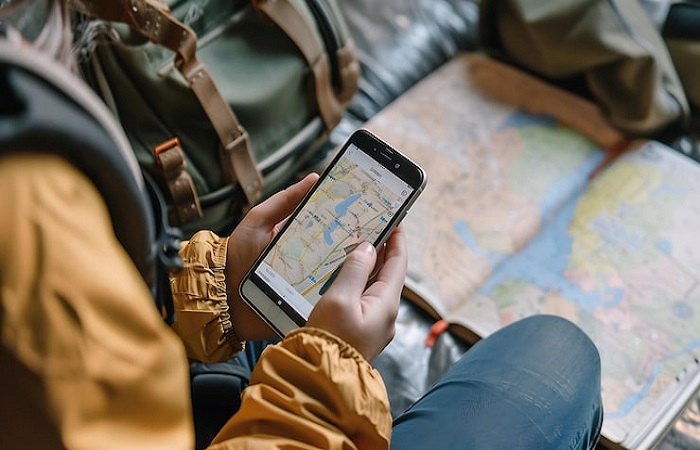
Traveling to a new destination for the first time can be exciting, but the experience may also be confusing for some travelers. Unfamiliar roads, transport systems, and local areas can make even a simple journey feel difficult.
Map Guides TTweakMaps by TravelTweaks can be considered a practical travel-planning resource that helps travelers understand locations, organize essential stops, and prepare better before exploring. A map becomes more useful when travelers read it carefully and use it alongside current local information.
Understanding the Purpose of Map Guides TTweakMaps by TravelTweaks
The purpose of this map guide is to help travelers understand a destination in a more organized way. It is not a replacement for official travel notices or live local updates. Instead, it supports travelers in identifying useful places, comparing possible routes, and understanding how different areas are connected.
It can be especially helpful for first-time visitors who may not know which locations are close to one another or which routes are practical. The guide provides structure for planning, while travelers should make their final decisions according to their budget, available time, comfort, and personal needs.
How to Read Map Symbols and Location Markers Correctly
Before following a route, travelers should understand what the symbols and markers shown on the map represent. A marker for a hotel, station, restaurant, hospital, or attraction may look simple, but every location serves a different purpose.
Travelers should check the following details:
- The complete name and address of the place
- Whether the marker shows the main entrance
- The type of location being marked
- Nearby roads, stations, or well-known landmarks
Reading markers carefully can help travelers avoid arriving at the wrong entrance, branch, or transport stop.
Why Map Distance Can Differ from Actual Travel Time
A place may appear close on a map, but reaching it may take longer than expected. A straight-line distance does not always represent the actual route. Hills, bridges, one-way streets, crossings, traffic, and limited transport options can affect the total travel time.
When using Map Guides TTweakMaps by TravelTweaks, travelers should compare walking, driving, and public transport options instead of considering distance alone. They should also allow extra time when carrying luggage, traveling with children, or traveling during busy hours.
How to Choose the Right Walking or Public Transport Route
The shortest route is not always the safest or most comfortable option. A walking route may pass through steep streets, poorly lit areas, construction zones, or crowded roads. Public transport may be more suitable in some situations, while walking may be a better option in others. Travelers who want to plan a walkable one-day city itinerary should compare distances, attractions, and transport options before selecting their route.
Travelers should consider the following factors when choosing a route:
- The weather and time of day
- Luggage and mobility requirements
- Transport costs
- The number of transfers
- Safety and road conditions
The right route should suit the traveler’s needs and situation rather than simply being the route with the shortest distance.
Which Essential Locations Should Be Saved Before Exploring?
Travelers should save some essential locations before leaving their hotel or accommodation. These places can make the journey easier and provide support when travel plans change.
Useful locations may include:
- Hotel or accommodation
- Airport, railway station, or bus station
- Nearby pharmacy or hospital
- Police station or tourist information point
- Reliable transport stops
- Main attractions and ticket offices
- A few suitable food options
Saving these locations in advance reduces the need to search repeatedly while visiting an unfamiliar destination.
How to Prepare TTweakMaps for Offline Use
TTweakMaps is also available online, so travelers should save essential information in advance for offline use. Internet access may become slow, unavailable, or expensive during a trip. Therefore, it is useful to save screenshots of important routes, locations, and travel details while Wi-Fi is available. Travelers can also write down addresses and save their hotel location for offline access.
Map Guides TTweakMaps by TravelTweaks can be more useful when combined with basic offline preparation. A charged phone, portable power bank, saved route, screenshots, and a written accommodation address can provide valuable support when mobile data is unavailable.
Which Details Should Be Checked Again on the Day of Travel?
Some travel information can change quickly. Even a carefully prepared map cannot predict every temporary update. On the day of travel, visitors should confirm the following details:
- Attraction opening hours
- Ticket availability
- Public transport schedules
- Road closures or delays
- Weather conditions
- Local events that may affect traffic
- Hotel check-in instructions
Checking these details allows travelers to combine advance planning with the latest available information.
Which Common Map-Reading Mistakes Should First-Time Travelers Avoid?
One common mistake is adding too many places to a single day. Travelers may also assume that every location appearing nearby on the map can be reached quickly. Some people begin following a route without checking the entrance, direction, or return journey.
First-time visitors should avoid overloading their schedules. It is better to select a few important places and allow time for meals, delays, rest, and unexpected discoveries. A realistic plan is often more enjoyable than an overcrowded itinerary.
How to Keep a Backup Route for Unexpected Travel Changes
Travel plans may change because of weather, traffic, missed transport, or temporary closures. Having a backup route helps travelers manage the situation without becoming anxious.
Travelers can identify an alternative station, another walking route, a nearby indoor attraction, or a different transport option. They should also know how to return to their accommodation from important areas. Viewing the guide as a flexible planning resource rather than a fixed schedule makes unexpected changes easier to manage.
Final Thoughts
First-time travel becomes easier when visitors understand both the value and limitations of a map guide. They should read markers carefully, compare routes, save essential locations, prepare information for offline access, and check time-sensitive details before leaving.
When Map Guides TTweakMaps by TravelTweaks is used thoughtfully, practically, and alongside current local information, it can help travelers make more confident travel decisions.