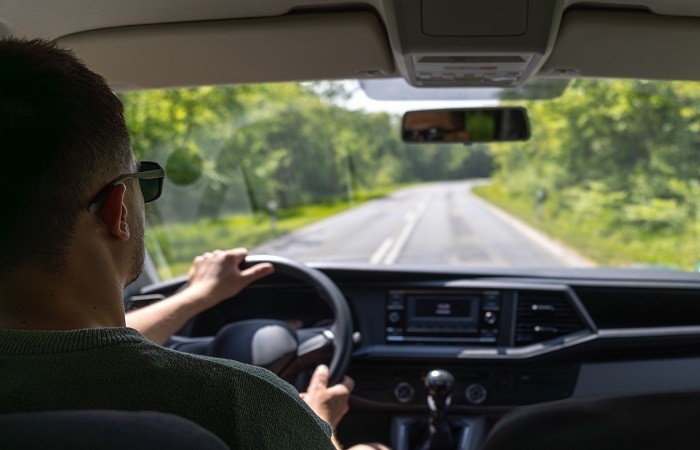
The GPS says turn left. The road ahead looks questionable. Your fuel gauge is flirting with empty, and the nearest town appears to exist mostly as a hopeful dot on the map. Suddenly, that spontaneous road trip doesn’t feel quite so romantic.
Traveling alone has obvious perks. You control the music, choose the detours, and never have to negotiate with someone who insists that stopping for coffee is a waste of time. But solo travel comes with one inconvenient detail: when something goes wrong, you’re the entire support team.
Frequent travelers learn that a safer journey doesn’t require eliminating spontaneity. It means preparing for the unexpected without turning every mile into a military operation.
1. Ditch the Perfect Schedule
A road trip itinerary can look beautiful on paper. Then traffic happens. Or construction. Or a scenic overlook turns a five-minute stop into an hour-long photography session. That’s travel.
Build your schedule around realistic driving times, planned breaks, and a few alternative stops. Research fuel stations, accommodation, and rest areas before crossing long stretches of unfamiliar territory, especially where services are limited.
Most importantly, establish a reasonable stopping time. If reaching your hotel requires driving through exhaustion, change the plan. No reservation is worth gambling with your concentration. The best solo travelers aren’t necessarily the ones who stick to every detail. They’re the ones who know when to adapt.
2. Give Your Car a Head Start
Your vehicle doesn’t care that you’ve booked a charming cabin or promised someone you’d arrive by dinner. Before departure, check tire condition and pressure, lights, fluid levels, and the condition of your spare tire or roadside repair equipment. Make sure registration, insurance details, and roadside assistance information are accessible.
Pack a few essentials suited to your destination and the season: drinking water, snacks, a flashlight, a phone charger, and appropriate weather gear. For remote routes, additional emergency supplies may be necessary.
Address warning lights and obvious mechanical problems before leaving home rather than hoping they’ll disappear somewhere along the highway. Optimism is lovely. Preventive maintenance is better.
3. Keep Someone Updated, Without Narrating Every Mile
Solo travel doesn’t mean you need to broadcast your whereabouts to the entire internet. It does mean someone trustworthy should know your general plans.
Share your intended route, expected overnight stops, and approximate arrival time with a friend or family member. Agree on a check-in arrangement, especially when traveling through areas with unreliable mobile coverage. You don’t need to report every sandwich purchase. Just make sure someone can recognize when your plans have changed unexpectedly.
When choosing accommodation, consider the surrounding area, parking arrangements, and access to assistance. Keep room details private, and think twice before sharing your live location publicly. Independence and sensible communication aren’t opposites. They work rather well together.
4. Read the Room, or the Gas Station
Unfamiliar stops require small but important judgments. Is the location appropriate for a break? Are you able to easily access the service? Perhaps you should look elsewhere. Stay aware of your surroundings and ensure your items are safe. If you feel that somewhere isn’t suitable then look elsewhere. A staffed business may also be a good place to go if you require help.
If you are travelling and have personal protection items legally then it is important to know any restrictions along your route. If you have firearms then ensure that you are aware of the legal requirements to own and carry them, ensure they are stored securely and used responsibly.
Anyone researching Cheap Ammo should consider lawful requirements, appropriate storage, and compatibility with their firearm. Equipment is only one part of personal safety; sound judgment and preparation matter just as much.
5. Recognize When Your Brain Needs a Break
Here’s the road-trip hazard that deserves more respect: fatigue. You miss an exit. Your eyes feel heavy. The road markings begin looking strangely unfamiliar. Turning up the music might make the car livelier, but it won’t restore the alertness you need to drive safely.
Find a suitable place to stop and rest. If severe weather or unsafe road conditions develop, delay your journey when possible rather than pushing onward simply to stay on schedule. Arriving late is inconvenient. Arriving safely is the priority.
The Real Luxury Is Having Options
Solo road trips should leave room for unexpected discoveries. Take the scenic route. Visit the little diner you hadn’t planned on. Stop when something interesting catches your attention.
Just give yourself a few practical advantages before setting off: a reliable vehicle, realistic driving hours, a trusted contact, and enough flexibility to change direction when circumstances demand it.
You can’t predict every twist in the road. You can make sure you’re ready to respond. And if the best story from your trip turns out to be an unplanned stop at a tiny roadside café, that’s a much nicer outcome than becoming a cautionary tale about ignoring the fuel gauge.