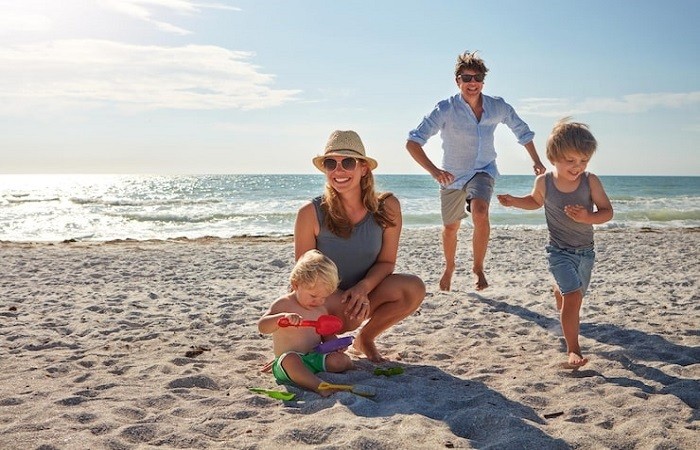
Going on a beach trip together with family brings really nice memories, but when you have young kids with you, things get chaotic very fast. Packing so many bags, fixing nap times, and searching for things kids will enjoy can turn a simple day near the ocean into something quite stressful. However, if you plan a bit in advance and set things up properly, keeping the coastal trip smooth and pleasant becomes much easier for parents. When you prepare everything beforehand, taking advantage of resort amenities—like those pool zones and fun activity programs over at The Reef Beach Resort—becomes very simple. Understanding how to manage your day, bring only important items, and deal with sudden routine changes will help keep the whole trip easy to handle with small toddlers.
1. Choosing the Right Location and Accommodations
For organizing a beach holiday, selecting where you should stay comes out as the most critical step. Not every place near the sea, however, works suitable for families traveling along with small children.
Key Factors to Check Before Booking
- Water Conditions: Instead of picking spots with big waves or dangerous currents, look out for calm locations that have shallow water or natural reefs nearby. When water stays shallow, safe play near the shore becomes very easy for small kids.
- Proximity to the Shore: Draining all your energy happens quickly if you carry heavy bags, food boxes, and tired kids over hot sand. Booking your hotel directly on the beach saves a lot of trouble right away.
- Room Layout and Kitchen Facilities: Sitting in the dark becomes necessary for the whole family once the smallest child goes to sleep inside a normal single hotel room. Taking a suite with separate rooms, on the other side, allows making basic snacks in a kitchenette while staying awake in the next room.
- On-Site Family Conveniences: Look specifically for hotels that offer shallow pools for kids, together with shaded areas where sitting with a stroller is easy.
2. Smart Packing: Essentials vs. Excess
Because carrying too many heavy bags makes traveling very uncomfortable, losing luggage can turn into a big headache. Therefore, keep your focus only on a few useful items related directly with health, safety, and basic comfort.
┌─────────────────────────────────────────────────────────┐
│ FAMILY BEACH PACKING STRATEGY │
├──────────────────────────┬──────────────────────────────┤
│ Sun & Health Safety │ Broad-spectrum SPF 50+, UV │
│ │ rash guards, swim diapers. │
├──────────────────────────┼──────────────────────────────┤
│ Shore Comfort │ Pop-up shade tent, mesh gear │
│ │ bag, quick-dry towels. │
├──────────────────────────┼──────────────────────────────┤
│ First Aid & Care │ Bandages, antiseptic wipes, │
│ │ rehydration powder packets. │
└──────────────────────────┴──────────────────────────────┘
Sun Protection Strategy
Direct sun can burn small children very quickly because their skin remains delicate. Take proper children’s sunscreen having minimum SPF 50, and make sure to include long-sleeve UV swim shirts. By using these rash guards, applying cream repeatedly over their back and shoulders is not needed again and again.
Beach Toys and Transport
Since big plastic toy sets take up too much space inside your bags, do not carry them. A few small buckets, good shovels, and one mesh bag that lets sand fall out are fully enough. For moving your stuff across the sand easily, use a folding wagon with big wheels rather than holding four separate bags by hand.
3. Mastering the Daily Beach Schedule
Because strong heat and sun drain energy fast, small children get irritated quite quickly. Keeping a simple and flexible routine ensures everybody stays relaxed and well-fed during the whole day.
| Time of Day | Recommended Activity | Focus Area |
| Morning (8:00 AM – 11:00 AM) | Early Beach Session | Pleasant weather, calm sea, and less crowd. |
| Midday (11:30 AM – 2:30 PM) | Lunch & Indoor Rest | Avoid strong midday sun and let kids nap. |
| Late Afternoon (3:00 PM – 5:30 PM) | Pool or Low-Key Play | Cooler weather and play areas under shade. |
| Evening (6:00 PM – 8:00 PM) | Casual Dinner & Walk | Eating early prevents late-night crying and mood swings. |
Handling Nap Time Away from Home
As much as possible, try following your regular nap timing. Usually, expecting a toddler to sleep properly on a towel under a beach umbrella ends up in missed sleep and crying during the evening. Going back to a cool, quiet room for an afternoon nap gives the whole family a good reset before dinner time starts.
4. Beach Safety Rules Every Parent Should Follow
Parents can relax without constant tension once a safe spot gets set up on the beach. Fix your base area as soon as you arrive on the sand and follow these basic safety steps.
Set Up Base Camp Near Lifeguard Station
│
▼
Establish Physical Visual Markers (Flags, Bright Umbrellas)
│
▼
Apply Water-Resistant Bright Swimwear to Kids
│
▼
Designate Single Parent Active Water Supervisor
Constant Water Supervision
At any given time, always assign the duty of watching the water to one specific adult. When many adults sit together, everybody thinks someone else is watching the kids, which easily leads to risky mistakes. To prevent anyone from getting distracted or tired, shift this watching duty every 30 minutes.
Identifying Landmarks
For a small toddler, beaches look huge and confusing. Near your spot, show them clear, big landmarks—like a bright umbrella or the lifeguard tower—so older kids can easily recognize where your base is placed.
5. Food, Hydration, and Snack Management
Compared to a normal day at home, running around under the sun and near saltwater makes kids thirsty much faster. Having proper snacks ready keeps their energy high and mood stable.
- Hydration First: Carry cold water inside insulated bottles and give them drinks every 20 or 30 minutes, even when they insist they do not want water.
- Sand-Safe Snacks: Avoid chocolates or sweet drinks because they melt easily, create a mess in the heat, and attract insects or sand. Pick clean items like fruit pouches, cut fruits kept in tight boxes, dry biscuits, or cereal instead.
- Wiping Sand Off Hands: Inside your bag, keep a small bottle of baby powder or cornstarch. Rubbing dry powder over sandy hands or feet helps the sand fall off very easily before eating food.
6. Keeping Evenings Simple and Stress-Free
After staying out under the sun all day, most small kids get very tired by early evening. Deciding your dinner plan in advance saves a lot of frustration later on.
Avoid Long Restaurant Wait Times
During dinner hours, famous beach restaurants get very crowded. Standing inside a busy lobby together with hungry, sleepy toddlers tests everyone’s patience. Try going out early around 5:00 PM, picking open-air casual places, or simply ordering food directly to your room.
Establishing a Wind-Down Routine
Even when you stay away from home, keep your normal sleeping habits the same. Bringing a favorite storybook, a familiar small blanket, or a sound machine helps young kids fall asleep easily in a new environment.
A successful family beach vacation really depends on keeping practical expectations and planning according to your kids’ energy levels. By picking the right place to stay, packing smart, protecting children from the sun, and keeping up with nap times, parents can enjoy a peaceful beach trip while building nice family memories together.