Anyone with a phone can film a sunset. Making people actually stop scrolling and think “I need to go there”, that’s a completely different job. Most tourism boards and travel brands already have plenty of footage sitting around on hard drives somewhere. What they constantly don’t have is someone who can show pictures that people really want to see.
That difference usually separates a video that becomes like a well-staffed video that is shared, saved and actually works.
Footage Isn’t a Story Yet
A drone shot of a coastline looks nice. But by itself, it doesn’t really explain why someone should care about this particular coastline over the ten others they scrolled past this week.
Editing is where that gap gets closed. It’s not just cutting clips together in order, it’s figuring out what story the footage is even telling. Adventure? Slow, quiet relaxation? Something culturally specific you can’t get anywhere else? Pacing, music, shot order, even how long a scene lingers before it cuts, all of it changes whether someone feels something or just keeps scrolling.
That’s basically what destination video production comes down to. Pricey footage with zero real story behind it, honestly, usually gets beat by okay footage that’s been put together into something that actually feels like, a thing
Post-Production Is Where the Real Work Actually Happens
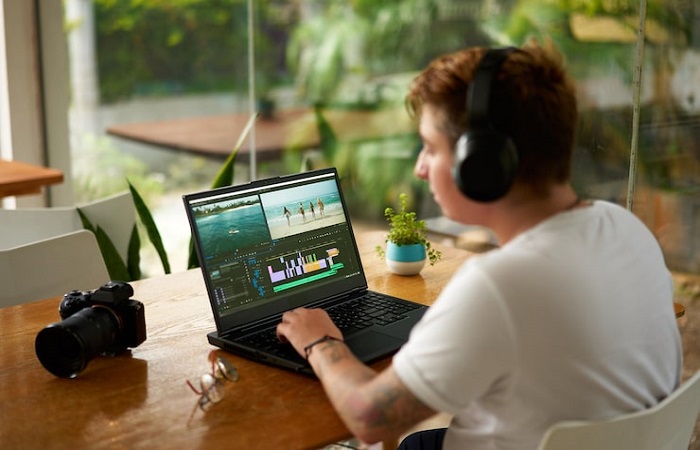
Most folks kinda think the toughest part is shooting it, lining up a crew, hoping the weather doesn’t turn weird, trying to hit that golden hour moment. Filming matters, sure. But honestly, travel video post-production is where hours of raw clips actually become something worth watching.
Color grading alone changes everything. Same beach, same footage, grade it flat and it looks forgettable, grade it warm and it suddenly feels inviting. Sound does similar work too. Background noise, the music you pick, even when you kinda leave this intentional little gap of silence, it all changes how somebody feels a place they’ve never actually been to in real life.
Editors end up making those harder decisions nobody really brings up, like what gets chopped, what stays in, and yeah, when something’s just too long. A board might sit on three hours of gorgeous footage and get maybe ninety seconds of real attention online. Figuring out which ninety seconds actually matter is its own skill, and it’s harder than it sounds.
Every Platform Wants Something Slightly Different
A destination’s story rarely lives in one place anymore. It might be a 15-second Instagram reel, or a longer thing on YouTube, or maybe it’s just running on repeat at an airport gate, or on some hotel lobby screen over there. Each version needs different pacing, different framing, sometimes a completely different aspect ratio.
This is a big chunk of what proper travel content creation actually involves, not producing one video and calling it done, but adapting the same core story across formats without losing whatever made it work in the first place. A shot that looks great full-screen on YouTube can get awkwardly cropped the moment it’s squeezed into a vertical reel, if nobody planned for that upfront.
Skip this step and content tends to look slightly off wherever it ends up, cropped weird, paced wrong for the platform, clearly not built with how people actually watch on their phones.
“Cinematic” Gets Thrown Around Too Much, But Yeah, There’s Still a Real Difference
That word is basically everywhere now, but there’s honestly a pretty clear gap between video that’s just lit nice and video that actually feels, like, cinematic. Cinematic travel videos usually have a few things going on, on purpose steady-ish camera moves, color that stays kinda consistent the whole way through, music that matches the vibe instead of just plugging up the silence, and pacing that lets you actually sit in a place for a second. instead of blasting right past it.
This matters more for travel content than most other categories, honestly, because the whole point is making someone feel like they’re somewhere else for thirty seconds. Rushed or inconsistent editing breaks that illusion almost instantly.
Video Is Carrying More of the Marketing Weight Now
Tourism boards, they’re not just in competition with each other anymore, you know? Nah, they’ve got influencers’ quick phone clips, airline ads, hotel brands all clamoring for the same scroll on the same feeds. Attention’s limited, and it keeps getting harder to earn.
That’s why tourism video marketing has stopped being a nice extra and become something closer to core strategy. A strong video isn’t just informing someone, it’s doing the emotional heavy lifting that moves a viewer from “that looks nice” to actually checking flight prices.
Where Bringing In Specialists Actually Pays Off
A lot of destination brands already have the footage. What they usually don’t have is the in-house time, or the editing chops, to turn hours of raw footage into something nice and neat, for every platform they gotta post it on.
This is often where professional travel video editing for destination brands makes the real difference, someone who understands pacing, platform quirks, and how to actually shape footage into a story, instead of just stitching clips in the order they happened to be shot.
The Footage Was Never the Problem
Most destinations already have beautiful places to film. What separates content that gets people booking trips from content that just gets scrolled past usually isn’t the location, it’s how well the story around it gets told.
Good editing doesn’t just make footage prettier. It decides what someone feels in the seconds they spend watching, and whether that feeling’s strong enough to make them actually want to go. That’s really the value proper post-production adds, taking footage that already exists and turning it into something that moves people.