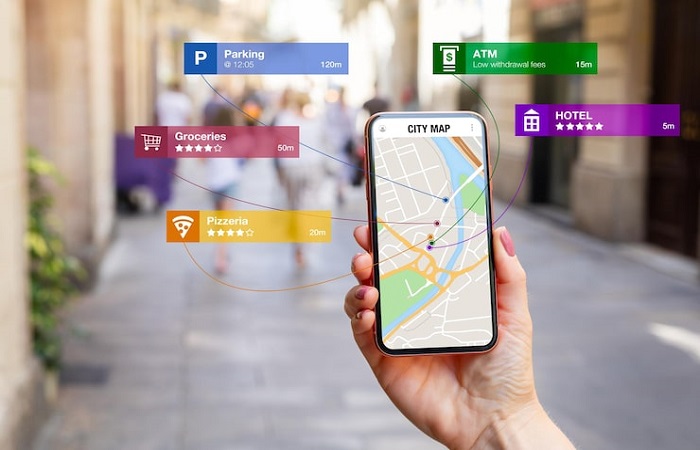
Travel planning usually focuses on hotels, attractions, restaurants, and transport. However, some of the most important places are the ones travelers do not think about until they urgently need them. A nearby pharmacy, reliable ATM, public restroom, luggage storage facility, or tourist assistance center can quickly become more valuable than another sightseeing stop.
Practical map planning should include essential services, not only popular landmarks. Map Guides TTweakMaps can help travelers organize useful locations before departure and understand what is available around their hotel, transport station, or planned route. This reduces stress and gives travelers clearer direction in an unfamiliar destination.
How Map Guides TTweakMaps Simplify the Search for Essential Services
Searching for useful services in a new city can be confusing, especially when street names, local language, and transport systems are unfamiliar. Instead of waiting for a problem, travelers can identify important locations before starting each day.
A practical map plan may include the nearest pharmacy, hospital, ATM, supermarket, police station, and transport hub. When these locations are saved in advance, travelers spend less time searching and are less likely to make rushed decisions.
Begin with the area around the accommodation. Check which services are within walking distance, which require transport, and which remain open during evenings or weekends. This creates a small support network around the place where you are staying.
Locating Hospitals and Pharmacies in an Unfamiliar Destination
Medical needs do not always involve serious emergencies. A traveler may need pain relief, allergy medicine, bandages, or help with a minor illness. Finding a pharmacy quickly is easier when suitable options have already been marked.
Save at least one nearby pharmacy and check whether it operates late at night. It is also helpful to identify a hospital, urgent-care clinic, or medical center that assists international visitors. Where language may be a barrier, look for information about English-speaking staff.
Do not depend on an unverified listing. Confirm the address, contact details, reviews, and opening hours through reliable sources.
Finding ATMs, Banks, and Currency Exchange Locations
Although card payments are widely accepted, travelers may still need cash for local markets, public transport tickets, small restaurants, and tips. Checking nearby cash options before the trip can therefore be helpful.
A map can be used to find trusted bank ATMs and nearby branches around the hotel, airport, station, or sightseeing route. This saves time when cash is needed unexpectedly.
It is also a good idea to save at least two verified currency exchange locations. Before visiting, travelers should check their distance, opening hours, reviews, and possible service fees.
Using Map Guides TTweakMaps to Locate Daily Travel Essentials
Small daily needs can interrupt a trip when they are difficult to find. Supermarkets, convenience stores, drinking-water points, bakeries, and basic supply shops are useful for travelers who want to control costs or avoid relying entirely on restaurants.
Build a practical layer around the itinerary by saving a grocery store near the hotel, a convenience shop close to a station, and a pharmacy near the main sightseeing area. This allows necessary stops to fit naturally into the day’s route.
Avoid filling the map with hundreds of pins. Too many saved places can make navigation confusing. Focus on services you are genuinely likely to use and organize them by neighborhood or purpose.
Finding Police Stations and Tourist Assistance Centers
Losing a passport, experiencing theft, or needing official guidance can be stressful abroad. Knowing where to find a police station, embassy, consulate, or tourist assistance center can make the situation easier to manage.
Save the nearest relevant police station, but remember that some offices handle only specific cases. Tourist information centers can also provide transport guidance, local information, and help with basic procedures.
Embassy and consulate details are especially important for international travel. Support every saved address with an official phone number and website information. During an emergency, use official local contacts rather than depending only on a map listing.
Locating SIM Card Shops and Reliable Communication Services
Mobile access supports navigation, translation, bookings, and emergency communication. Travelers planning to purchase a local SIM should locate authorized network shops before arrival.
Airport kiosks are convenient, but they may not offer the best range of plans. Shops in central areas may provide more options and clearer assistance. Compare opening hours, identification requirements, package duration, and data limits.
It is also useful to save places with dependable Wi-Fi, such as libraries, transport lounges, or established cafés. These can act as backup points if mobile data stops working.
Finding Luggage Storage, Public Restrooms, and Laundry Services on the Map
Hotel check-in and check-out times do not always match flight or train schedules. Using a map, travelers can find luggage storage facilities near stations, city centers, or their accommodation, allowing them to explore without carrying heavy bags.
It is also helpful to mark public restrooms near parks, walking routes, transport stations, and major attractions. Saving these locations in advance can prevent unnecessary searching. Travelers should also check opening hours, accessibility, and whether payment is required.
For longer trips, nearby laundry services can be saved on the map as well. Travelers can compare distance, recent reviews, prices, and service times before choosing between a self-service laundromat and a full-service laundry.
How to Save Essential Locations Before Starting Your Trip
Start by marking the accommodation and main arrival point. Then add one or two reliable choices for each important category. Map Guides TTweakMaps can connect these services with the actual travel route, making them easier to reach when needed.
Group saved places by neighborhood or travel day rather than creating one long list. Offline access is also worth preparing. Screenshots, written addresses, and saved phone numbers provide backup when the internet is unavailable. Sharing key locations with a companion is also sensible.
Verifying Distance, Opening Hours, and Service Availability on the Map
A location appearing on the map does not always mean that it is open, accessible, or suitable for your needs. Before visiting, check the latest opening hours, recent updates, and the exact entrance location.
When reviewing a walking route, do not rely on distance alone. A short route may still include steep streets, unsafe crossings, or accessibility issues. Route previews and recent reviews can help travelers understand these conditions in advance.
It is also helpful to compare the map listing with the official website or phone number. In many cases, a nearby service close to the hotel or station may be more practical than a highly rated option located across the city.
Final Thoughts
A well-planned trip involves more than choosing attractions and activities. Travelers should also know where to find essential services that may become important at any time, including pharmacies, ATMs, police stations, SIM card shops, and luggage storage facilities.
Map Guides TTweakMaps help travelers organize these important locations around their planned routes. Saving verified and conveniently located services can make decisions easier, reduce wasted time, and help travelers handle unexpected situations with greater confidence.